From the Audience to the Podium: Shreyas Mocherla’s Journey to KubeCon + CloudNativeCon India 2026

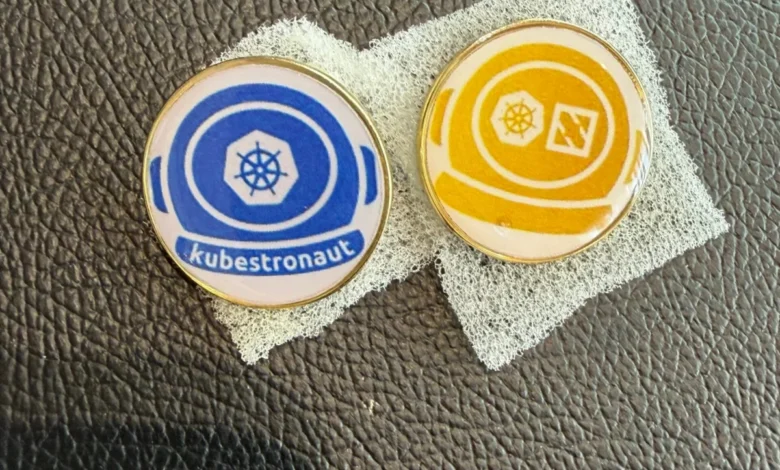
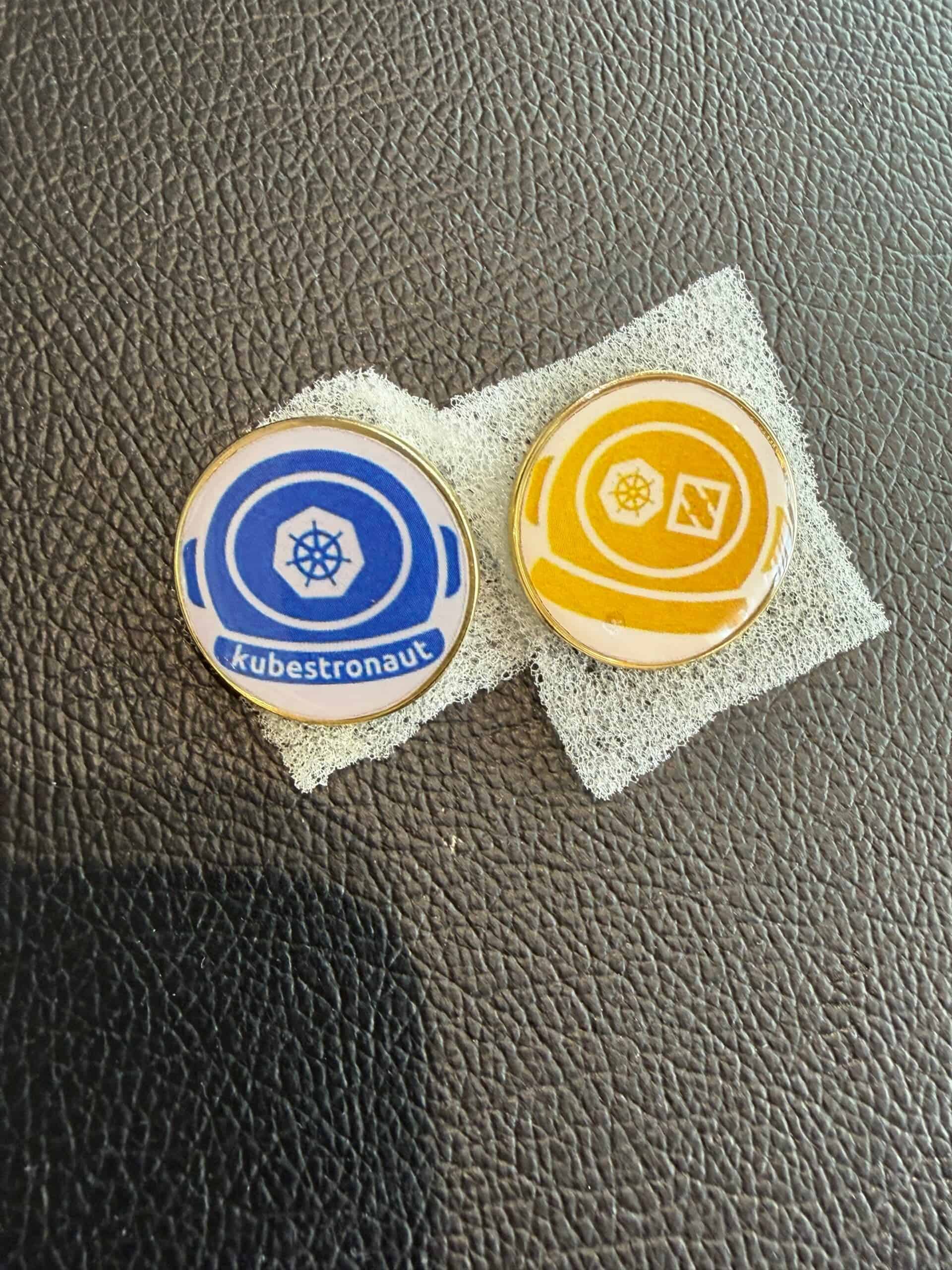
The KubeCon + CloudNativeCon India 2026 event held in Mumbai marked a significant milestone for the global cloud-native ecosystem, serving as a convergence point for thousands of engineers, industry leaders, and open-source contributors. Among the attendees was Shreyas Mocherla, a Software Engineer at Nirmata, who transitioned from a first-time conference participant to a featured presenter. His experience at the event, characterized by technical contributions and the achievement of the "Golden Kubestronaut" certification status, offers a snapshot of the rapidly maturing cloud-native landscape in India and the growing importance of specialized hardware integration in Kubernetes environments.
The Evolution of Cloud-Native Infrastructure
The central technical session delivered by Mocherla, titled "Run Your Own AI Cluster on a DGX Spark: Kubernetes, GPUs, and DRA," addressed a critical bottleneck in contemporary enterprise computing: the efficient orchestration of high-performance artificial intelligence workloads. As organizations shift away from monolithic cloud dependencies toward localized, self-hosted AI clusters, the need for robust orchestration layers has become paramount.
The presentation provided a detailed framework for deploying NVIDIA’s DGX Spark hardware within a Kubernetes ecosystem. By leveraging Dynamic Resource Allocation (DRA)—a feature critical for the granular management of accelerators—the speakers demonstrated how developers can bypass traditional, rigid resource scheduling to achieve high-performance model serving. This technical approach aligns with the broader industry trend of bringing "compute to the data," rather than vice versa, thereby reducing latency and mitigating the rising costs associated with public cloud AI training services.
Chronology of an Emerging Professional Milestone
Mocherla’s participation at the conference was preceded by a multi-year period of professional development centered on the Cloud Native Computing Foundation’s (CNCF) certification tracks. The attainment of the "Golden Kubestronaut" designation requires candidates to pass an exhaustive suite of exams, including the Certified Kubernetes Administrator (CKA), Certified Kubernetes Application Developer (CKAD), and the Certified Kubernetes Security Specialist (CKS), among others.
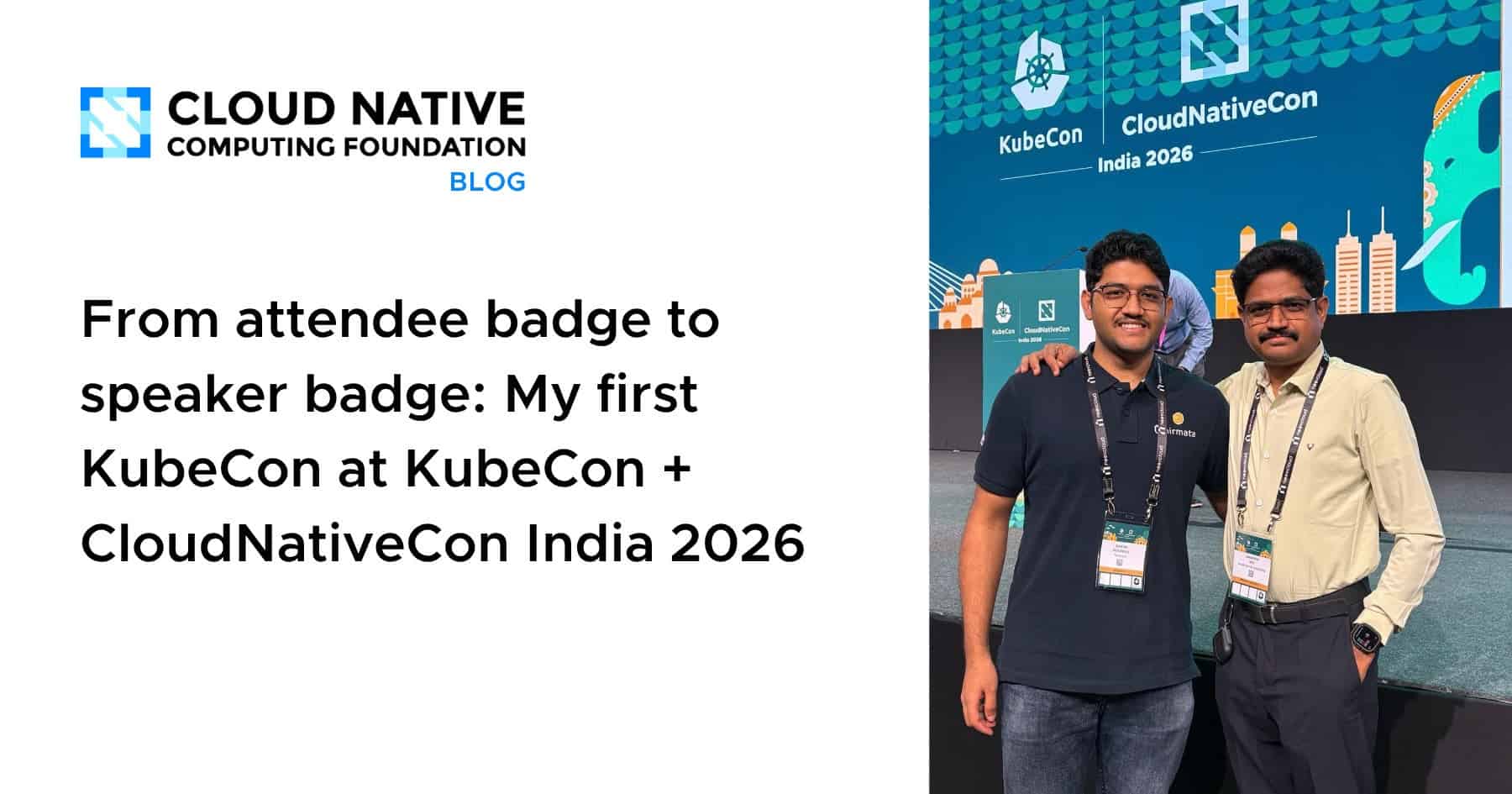
For many engineers, these certifications serve as a standardized benchmark for proficiency in a field characterized by rapid version updates and evolving security standards. Mocherla’s path to this milestone was facilitated by community-driven educational platforms, most notably KodeKloud, which provides the simulation-based labs necessary for mastering complex container orchestration tasks. His attainment of this status, noted by peers as a record for the youngest recipient in India, underscores the effectiveness of current open-source pedagogical models in scaling technical expertise within emerging tech hubs.
The Hallway Track: Community as a Catalyst
While technical sessions provide the framework for knowledge sharing, the "hallway track"—the informal networking that occurs between formal presentations—remains the primary driver of professional collaboration at KubeCon. The 2026 Mumbai edition was characterized by a high volume of interaction between established industry maintainers and the next generation of cloud-native developers.
Key figures such as Saiyam Pathak, a prominent voice in the Kubernetes ecosystem, and Mumshad Mannambeth, the founder of KodeKloud, were central to these interactions. Such meetings are not merely social; they facilitate the transfer of institutional knowledge and influence the roadmap of open-source projects. Furthermore, the presence of industry leaders like Yongkang He, founder of Kubestrong, highlights the community’s commitment to internal recognition and the promotion of excellence among its members.
Analyzing the Indian Cloud-Native Surge
The decision to host KubeCon in India is reflective of a larger geopolitical and economic shift in software engineering. India currently hosts one of the largest concentrations of developers globally, with a significant percentage of contributions to open-source repositories originating from the region.
Data from the CNCF indicates that the adoption of Kubernetes in the Asia-Pacific region has seen a compound annual growth rate (CAGR) exceeding 25% over the past three years. This growth is driven by the country’s massive enterprise digital transformation efforts and a demographic shift toward cloud-native specializations. The intensity of engagement at the 2026 conference—ranging from deep-dive technical inquiries to the proliferation of student-led Kubernetes interest groups—suggests that India is transitioning from a consumer of global cloud-native technology to a primary contributor of innovation in the space.
Operational Implications for Future Conferences
The experience of first-time speakers like Mocherla provides valuable data for conference organizers regarding the "speaker experience." The transition from attendee to presenter is often the most significant hurdle for early-career engineers. Observations from the Mumbai event suggest that providing structured mentorship for first-time presenters, combined with clear pathways for submitting Calls for Papers (CFP), increases the diversity and quality of technical discourse at the event.
Furthermore, the emphasis on hardware-specific sessions, such as those focusing on GPU-intensive Kubernetes workloads, indicates a shift in the focus of the CNCF. As AI integration becomes standard, the community is increasingly focused on the "hardware-software interface." This represents a departure from the purely abstract, application-layer focus of the previous decade.
Conclusion: The Impact of Professional Open-Source Engagement
The narrative of Shreyas Mocherla’s experience at KubeCon + CloudNativeCon India 2026 serves as a microcosm of the broader cloud-native movement. It highlights three essential pillars of the current ecosystem:
- Accessibility of Knowledge: The reliance on free, high-quality documentation and community labs is bridging the skill gap for engineers globally.
- Hardware Integration: The shift toward self-hosted AI clusters and specialized hardware management is the next frontier of container orchestration.
- Community Interconnectivity: The value of face-to-face engagement in accelerating professional development remains irreplaceable, even in an increasingly virtualized working environment.
As the industry looks toward the next cycle of KubeCon events, the focus will likely remain on maintaining this balance between large-scale enterprise adoption and the granular, community-driven development that has historically defined the CNCF ecosystem. For those entering the field, the path taken by contributors like Mocherla—characterized by a commitment to rigorous certification, technical public speaking, and active engagement in the community—remains the most viable blueprint for professional advancement in the cloud-native era. The success of the Mumbai event serves as a clear indicator that the next decade of cloud-native innovation will be heavily influenced by the expertise and energy currently emerging from the Indian developer ecosystem.
Related posts: